🧸 Toys and Manipulatives That Supported Colour Exploration

They’re simple, open-ended and endlessly engaging. Ours are always out and within reach – in his spinning stationary holder.
Roman has used them to layer and mix colours, explore light through windows and torches and even discovered how colours behave when combined in different ways.
It was through these paddles that he first realised orange and blue make brown but when held over his blue Little Tikes slide, it turned purple instead.
👉 Get colour paddles on Amazon 🇬🇧
👉 Get colour paddles on Amazon 🇺🇸
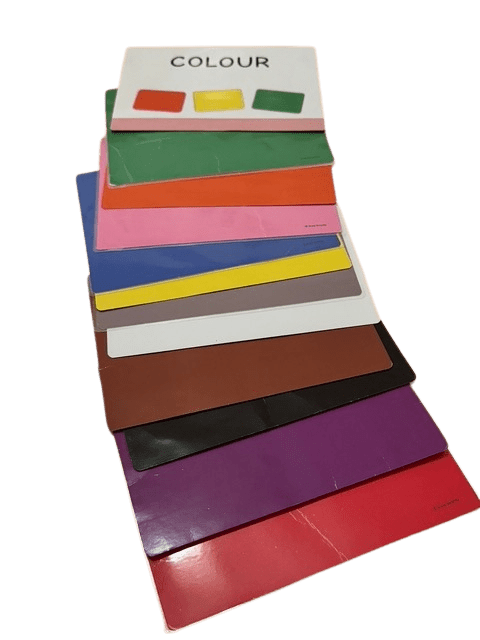
This was a simple, affordable find – a set of A5-sized colour cards I bought in Malaysia when Roman was around 6–7 months old, likely from Shopee or Lazada.
Each card is just a solid block of colour with no border, which makes them visually clear and uncluttered. Easy to DIY but it was so cheap there, I couldnt resist and laminated them on my own. The back includes the colour name in both English and Mandarin.
We didn’t use them in any formal way. I’d show them to Roman now and then or leave a few out while he was crawling around and they became part of his early visual environment.
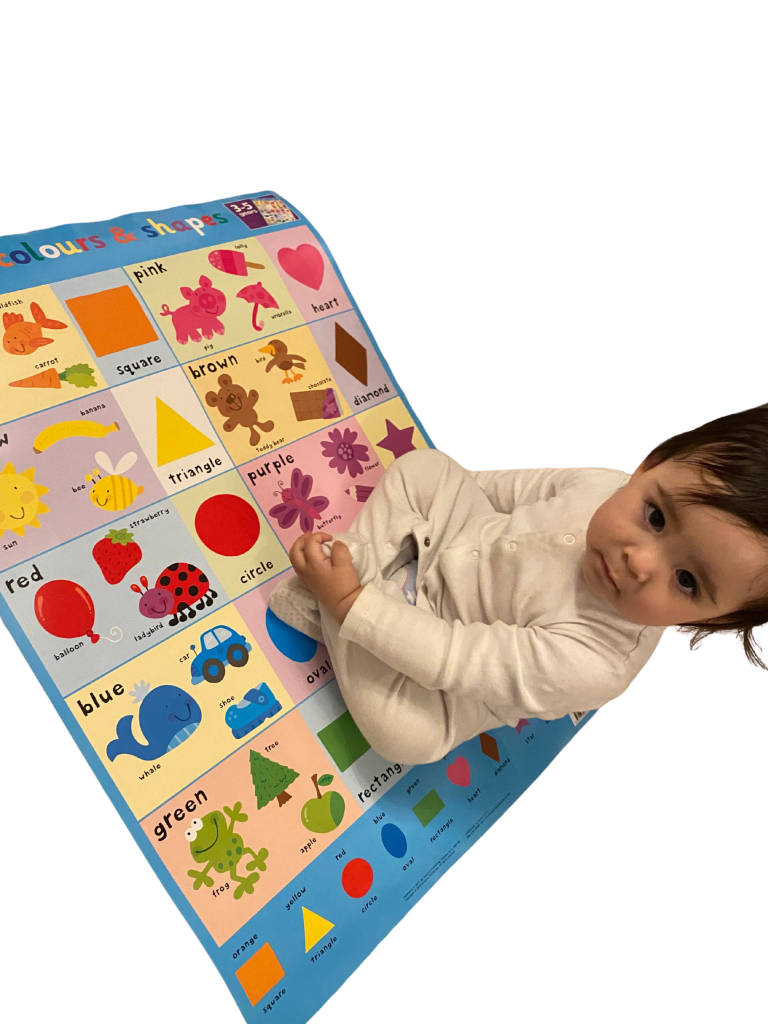
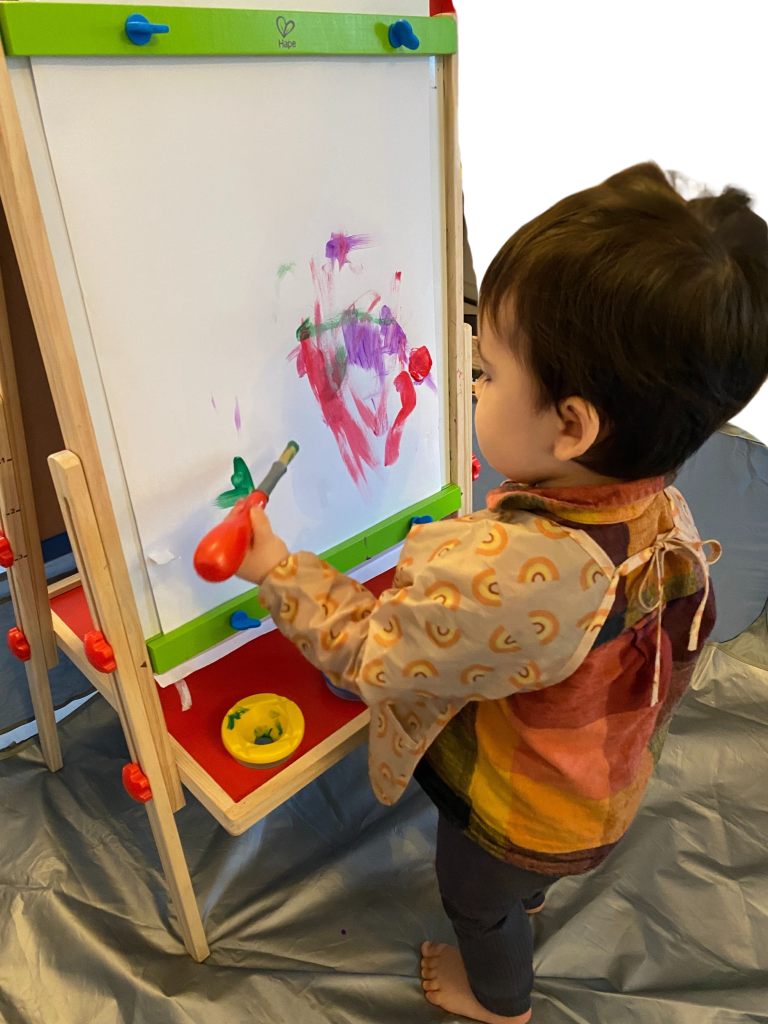
Next on our list is something we use almost daily – our Hape double-sided easel which we use in the little art corner we’ve set up in the living room for Roman.
We have a rotating selection of colouring tools and creative materials that are always accessible and inviting.
There’s a bit of everything:
🖍️ crayons (of varying brands, classic and twist-up),
🖌️ paint sticks and pens,
🖋️ markers and chalk,
✏️ colour pencils,
🔠 ABC and 123 stamps,
📏 rulers, ✂️ scissors and erasers,
✨ glitter glue, glue stick, rainbow washi tape and a stash of colourful stickers.
👉 Get Hape double-sided easel on Amazon 🇬🇧
👉 Get Hape double-sided easel on Amazon 🇺🇸
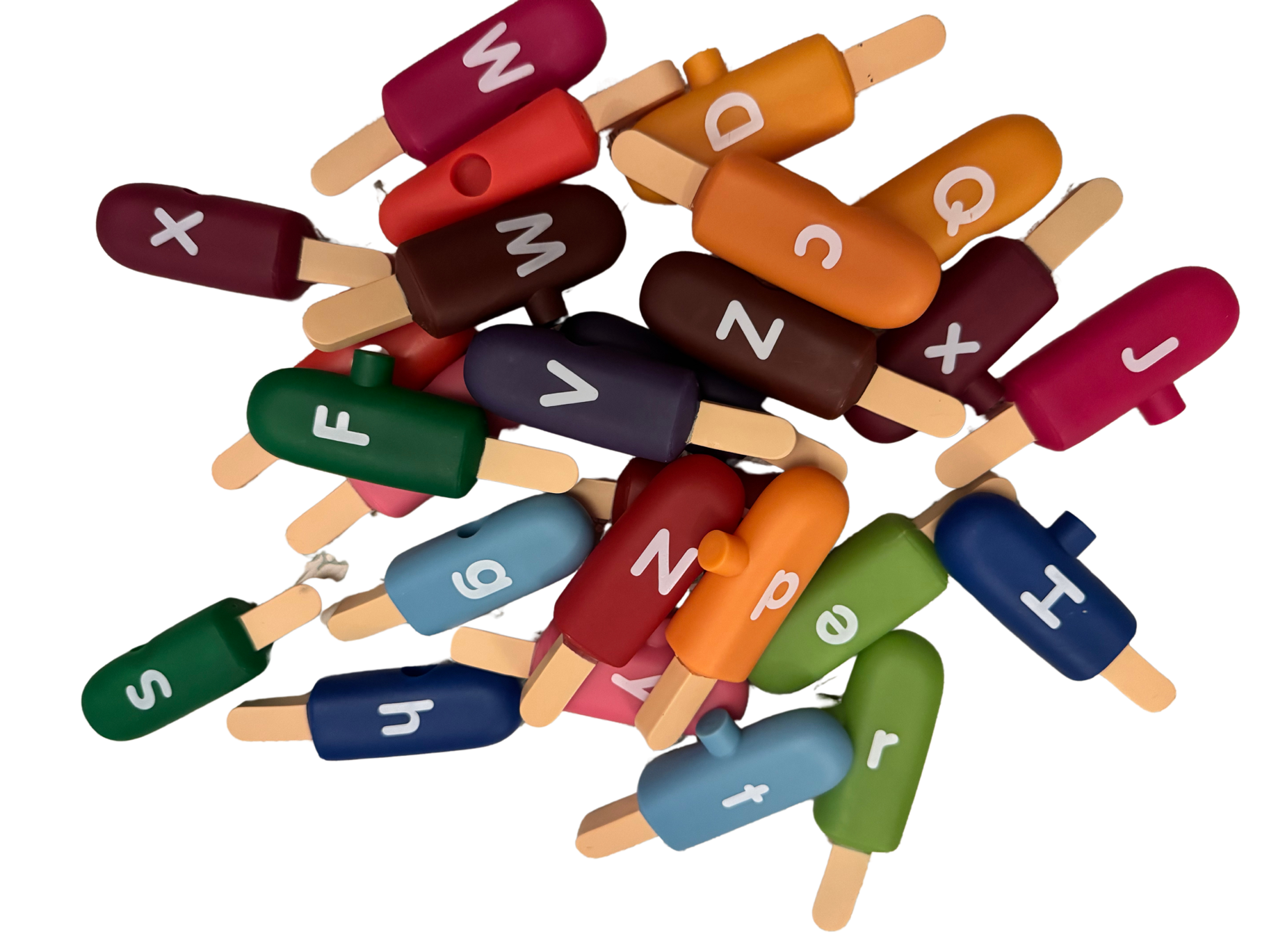
It’s also a brilliant tool for developing fine motor skills, as little hands have to slot each letter into its matching letter’s hole on the side – such a satisfying feeling for littles when it fits just right. Simple, colourful and surprisingly rich in learning.
👉 Get Alpha Pop on Amazon 🇬🇧
👉 Get Alpha Pop on Amazon 🇺🇸
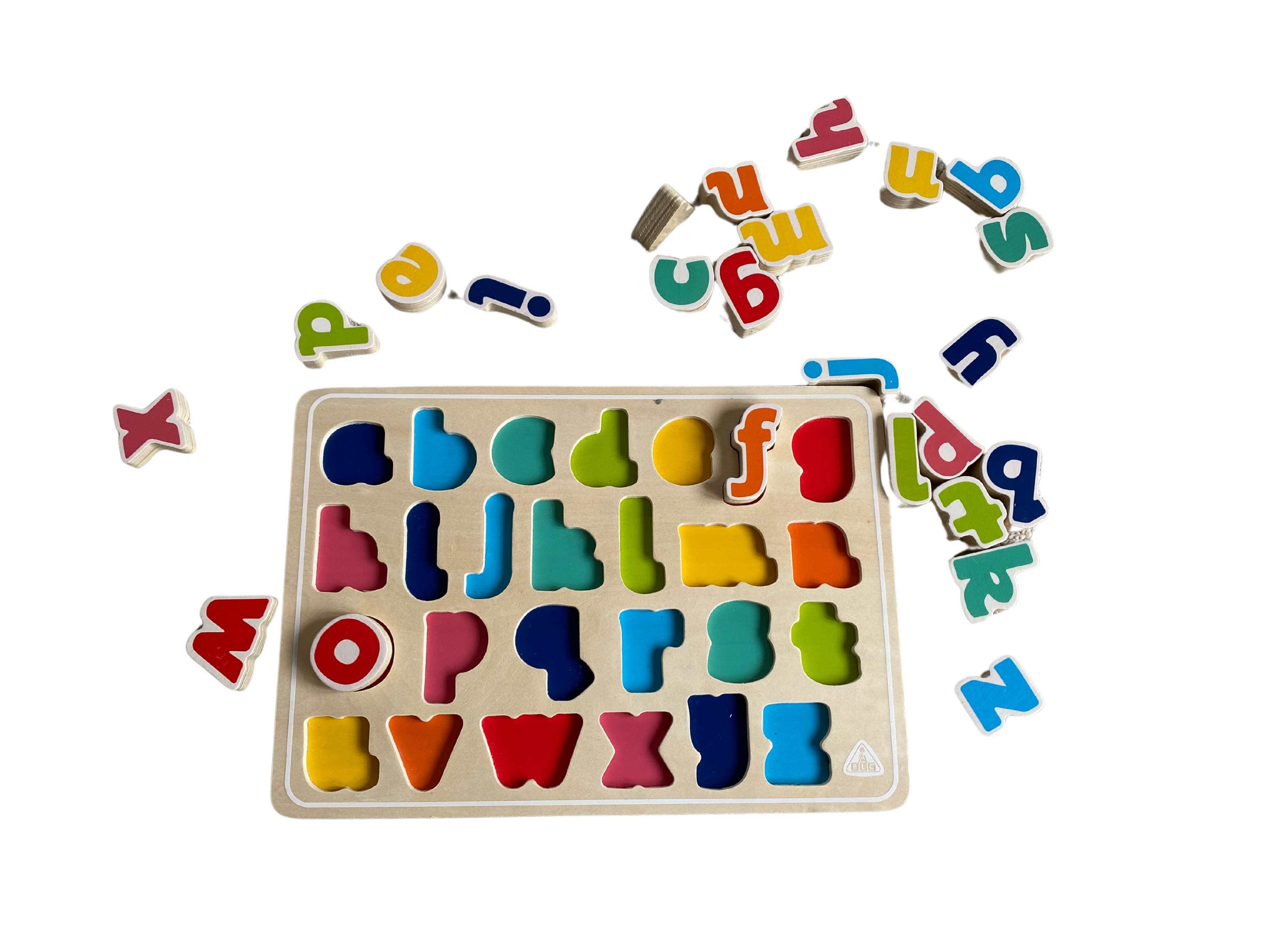
Each letter matches to its base by both shape and printed letter, making it intuitive and satisfying for toddlers to explore. It was also from this set that Roman decided X was his favourite letter. A lovely first puzzle for early letter recognition, matching and colour engagement with a soft spot in our home for sentimental reasons too.
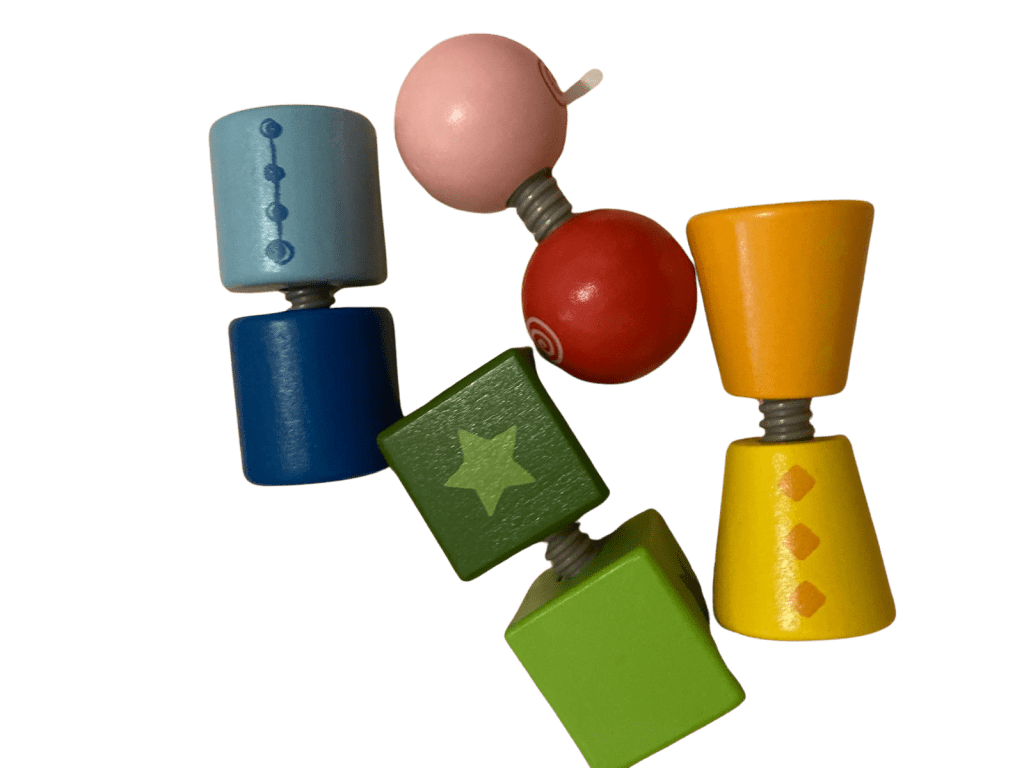
These Hape Twist and Turn blocks are a brilliant introduction to dexterity, shapes and colour matching. They’re typically recommended from around 18 months in Montessori-style settings but we introduced them a lot earlier and Roman absolutely loved exploring how each piece fit together.
The twisting motion encourages wrist rotation and hand strength, both important for later writing skills. It’s such a simple toy but one that packs in so much foundational learning, all through play.
👉 Get Hape Twist and Turn blocks on Amazon 🇬🇧
👉 Get Hape Twist and Turn blocks on Amazon 🇺🇸
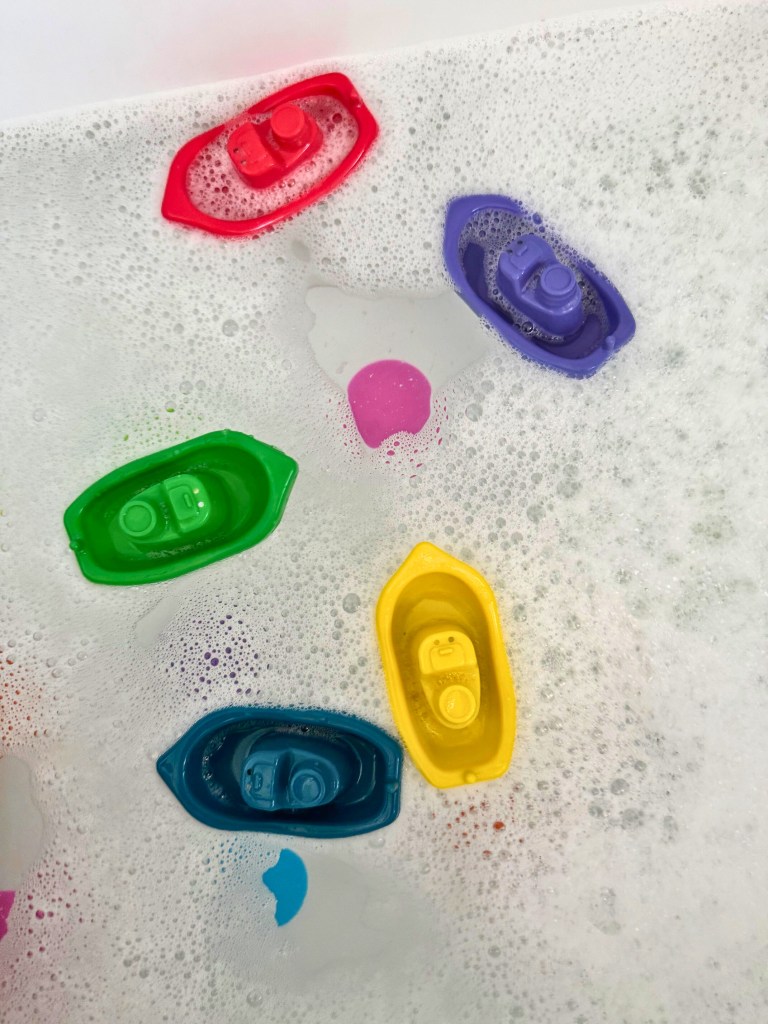
These colourful bath boats have been a constant favourite! Simple, sturdy and perfect for bath time play. Roman still loves them, even now. We actually got them from Santa during a Christmas grotto visit and they’ve stayed in regular use ever since.
Beyond just being fun, they’ve been surprisingly useful for introducing early science concepts like sink and float, weight, balance and even buoyancy, all through gentle, unstructured play in the water.
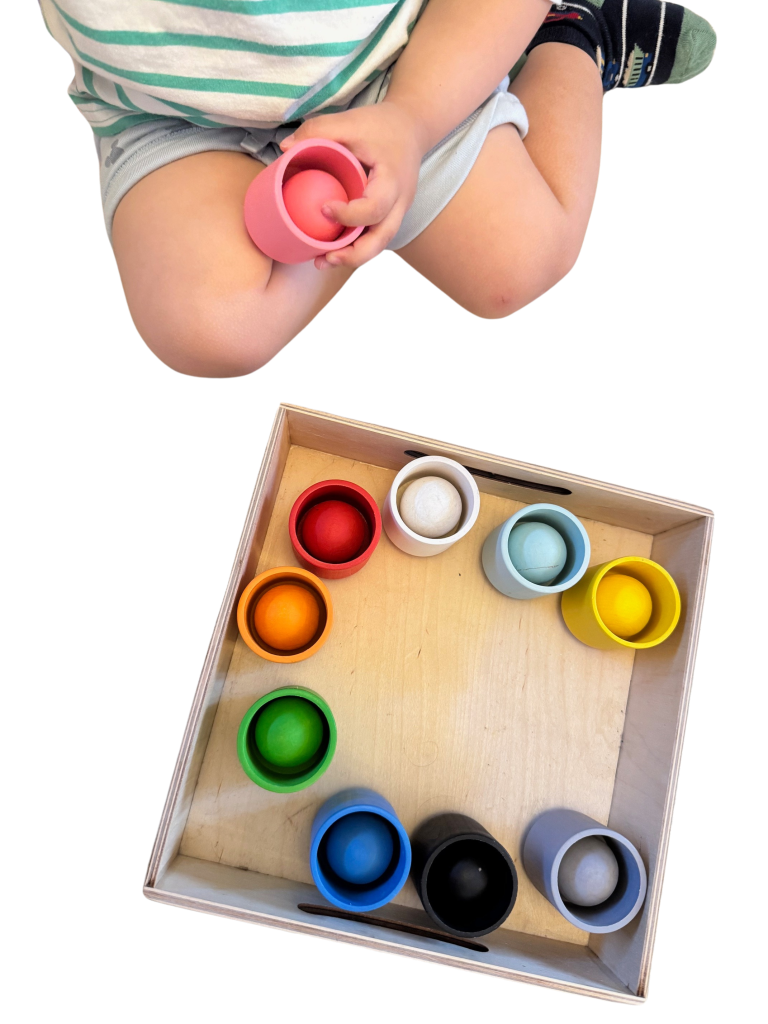
They’re perfect for developing colour recognition, fine motor control and early categorisation. The colours are rich and natural-looking (not overly bright), which gives them a calm, Montessori-inspired feel.
👉 Get Ulanik Colour Matching Cups on Amazon 🇬🇧
👉 Get Ulanik Colour Matching Cups on Amazon 🇺🇸
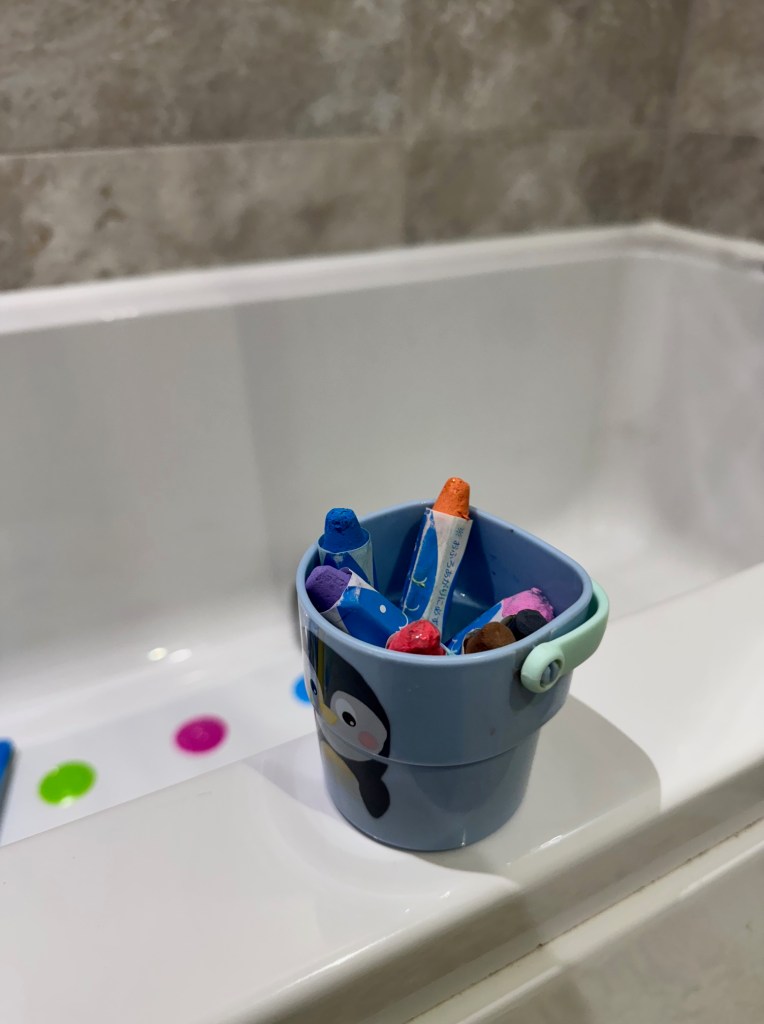
Roman used them a lot during his flag phase and for a solid month (between 17-18 months old), he made me draw the Brazilian flag 🇧🇷 during every single bath. They glide on smoothly and wipe off fairly easily with a sponge (though some colours come off more easily than others, cleaning right after the bath helps).
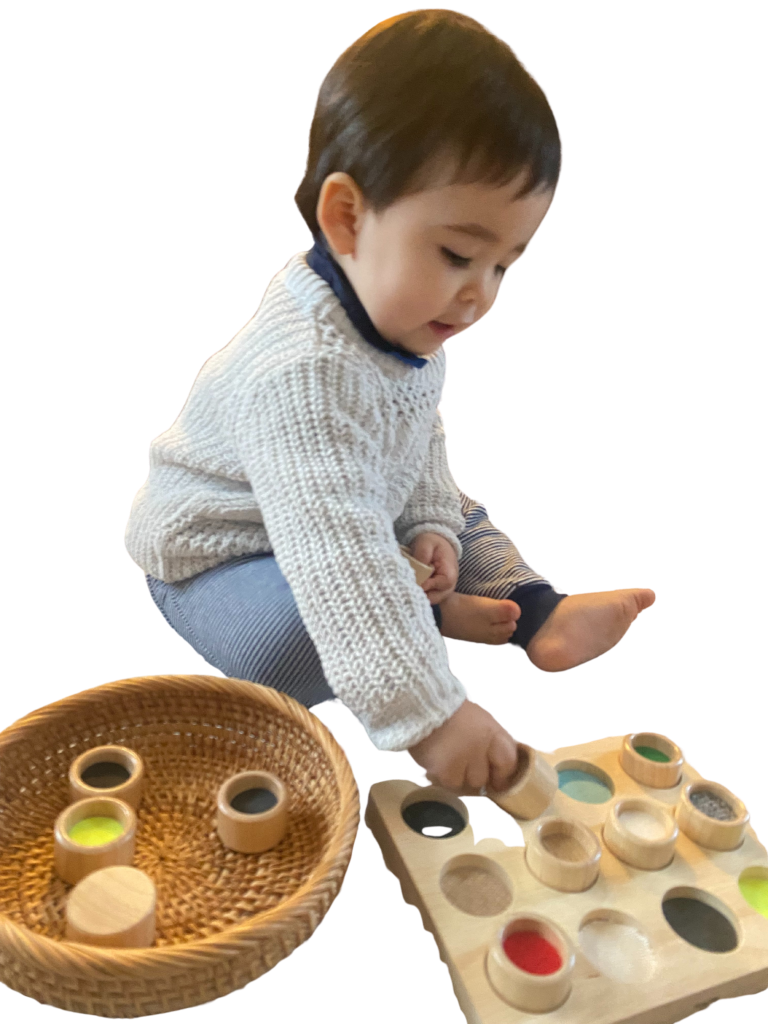
This TickiT Touch & Match Board was one of Roman’s favourites around age one. It’s designed for tactile matching, so it’s not strictly a colour puzzle, but the visual elements definitely added to the appeal. Roman enjoyed matching both by texture and colour.
A great one for toddlers who like quiet, hands-on activities and for introducing early sensory exploration through touch, sight and colour.
👉 Get TickiT Touch & Match Board on Amazon 🇬🇧
👉 Get TickiT Touch & Match Board on Amazon 🇺🇸
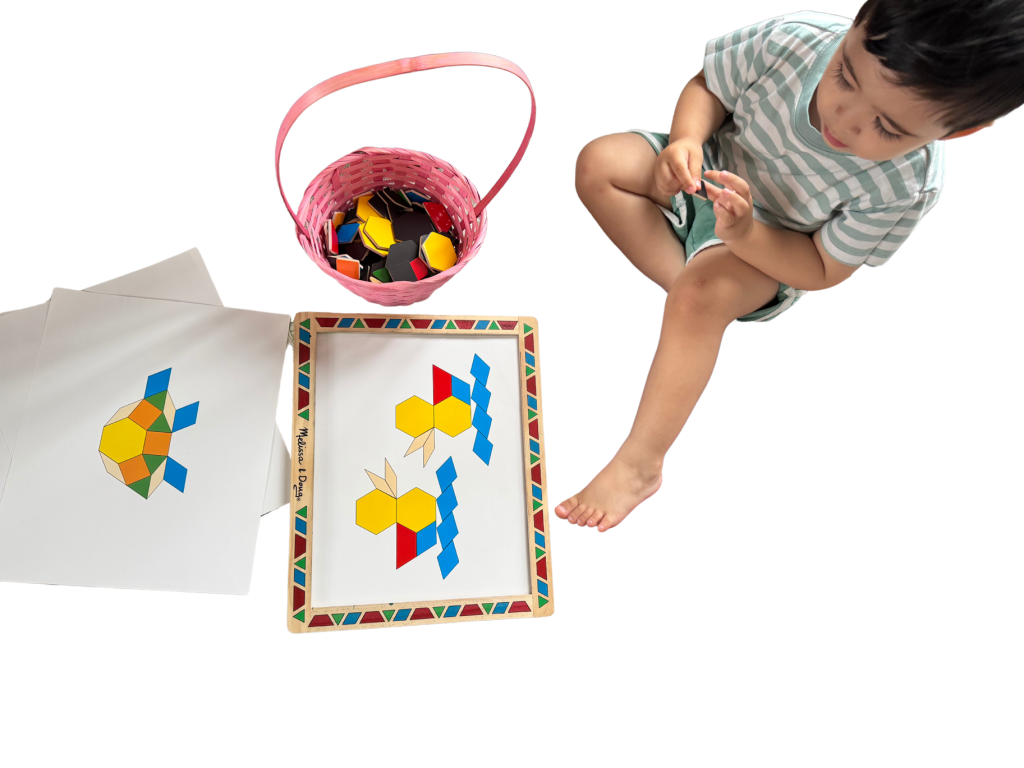
It comes with picture templates for matching shapes and we found it also engaging to use the magnetic board for open-ended play like spelling out words, creating designs and exploring symmetry.
It was one of our earliest tools for colour matching and for gently introducing less common shapes like hexagons, trapezoids and diamonds, all through hands-on exploration. We don’t use the pattern blocks as much these days, but the white magnetic board still gets plenty of use for writing. A lovely blend of creativity and logic that’s grown with him over time.
👉 Get Melissa & Doug pattern block set on Amazon 🇬🇧
👉 Get Melissa & Doug pattern block set on Amazon 🇺🇸
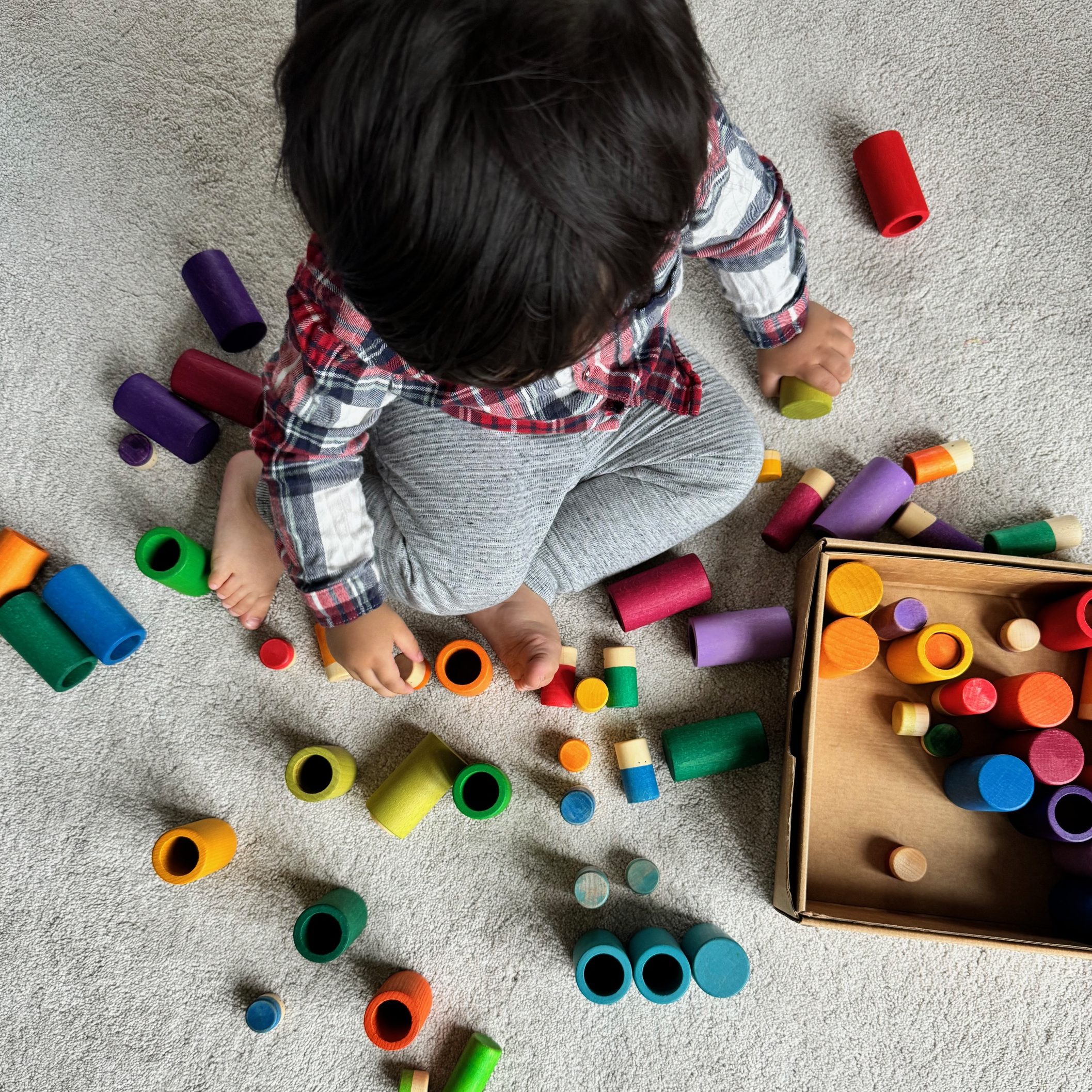
Grapat’s Lola set didn’t immediately grab Roman’s attention, but he’s come back to it now and then – building shops, houses and using the pieces as people.
It’s especially great for children who enjoy imaginative play or like putting things into things. Some pieces are hollow, others have a closed end, which makes for interesting little discoveries (some objects fall through, some don’t).
The shades within each colour are subtle and varied, making it a lovely way to explore tones.
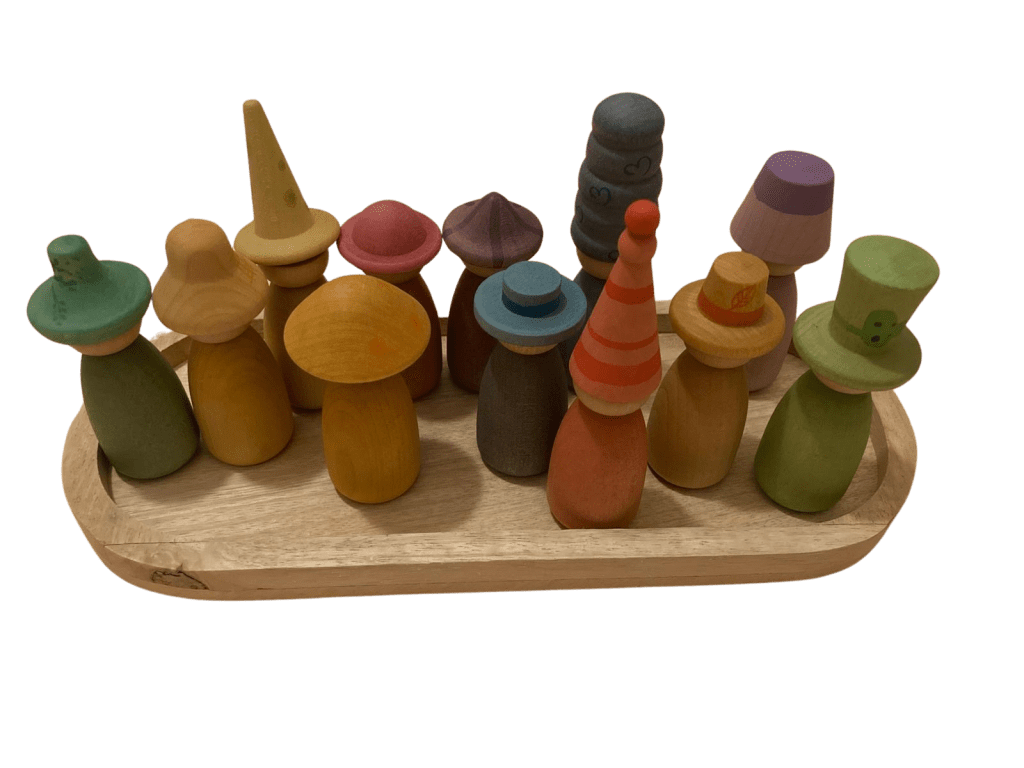
Open-ended and versatile, they’ve been used for everything from colour sorting and matching to imaginative play and storytelling. What I love most is how much meaning children bring to them on their own. With no faces or set roles, they naturally invite conversations, role play, and gentle exploration of emotions and relationships.
A timeless kind of toy that adapts to the child, not the other way round.
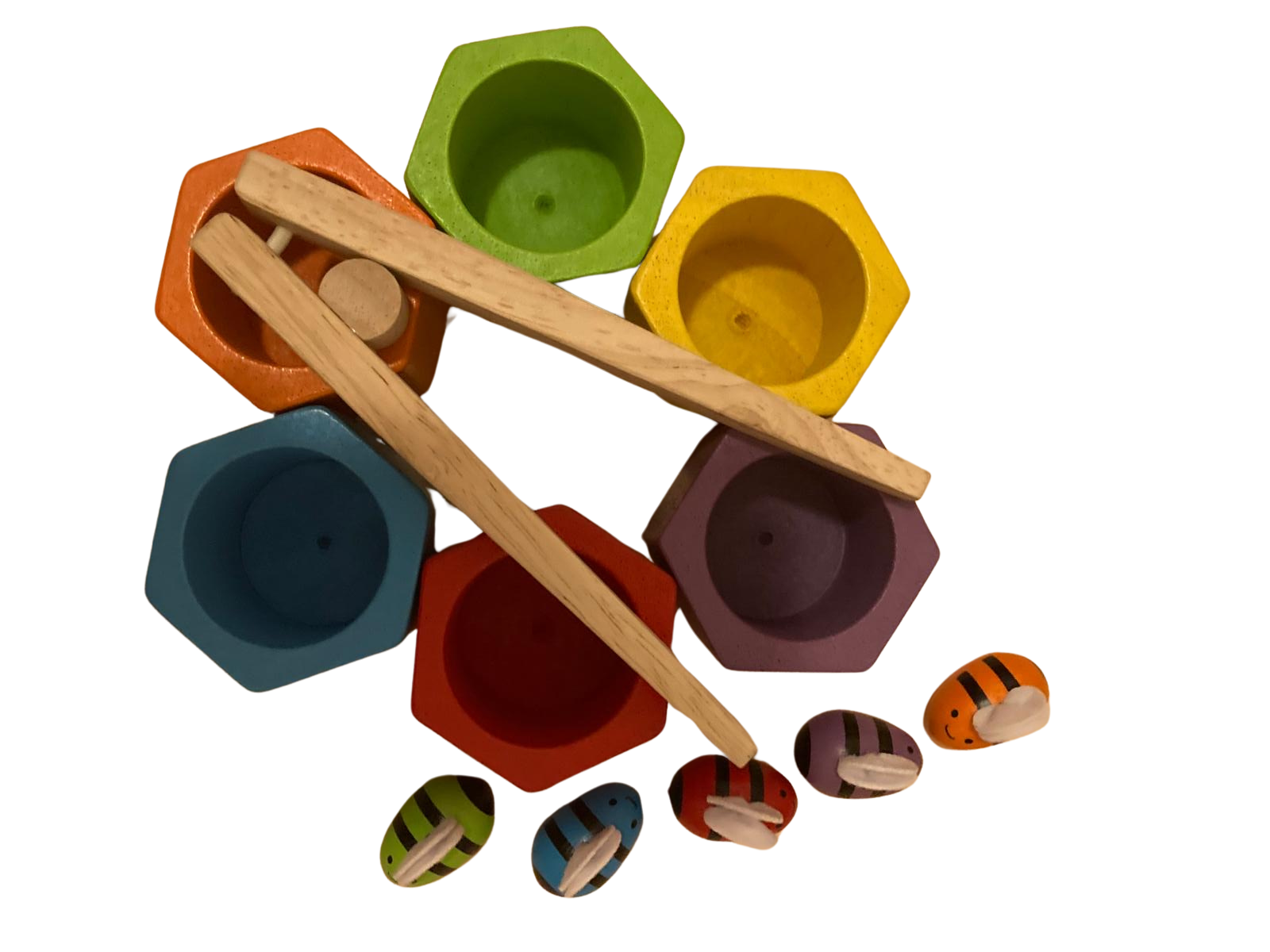
Using the tweezers to place each bee into its matching hive is deceptively challenging for little hands, it’s brilliant for building concentration and hand control. It also opens up conversations about bees, he role they play in nature and patterns. A gorgeous little set that’s both purposeful and playfuI.
👉 Get Plantoys Rainbow Bee on Amazon 🇺🇸
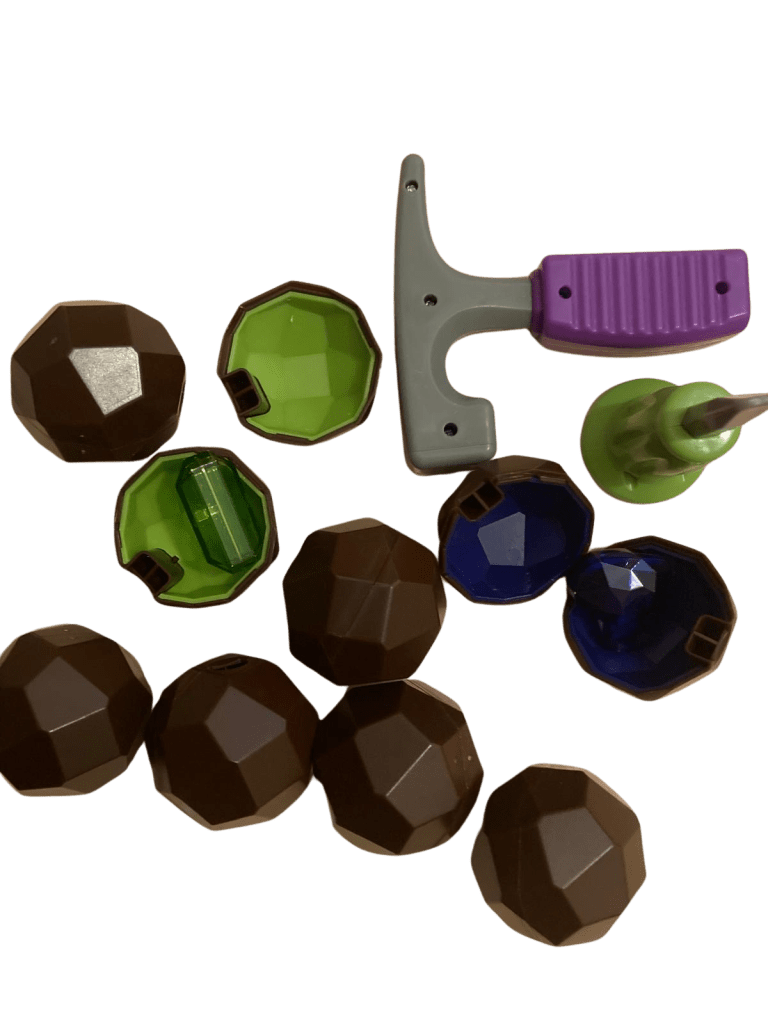
Beyond the novelty, it’s brilliant for developing fine motor skills, hand strength, and colour matching (matching the inner wall of the geodes to the right coloured gems) and identification. We’ve also had some lovely chats about what’s inside, how tools work and about geology, all sparked by play.
👉 Get Rock ‘n’ Gem Surprise mining on Amazon 🇬🇧
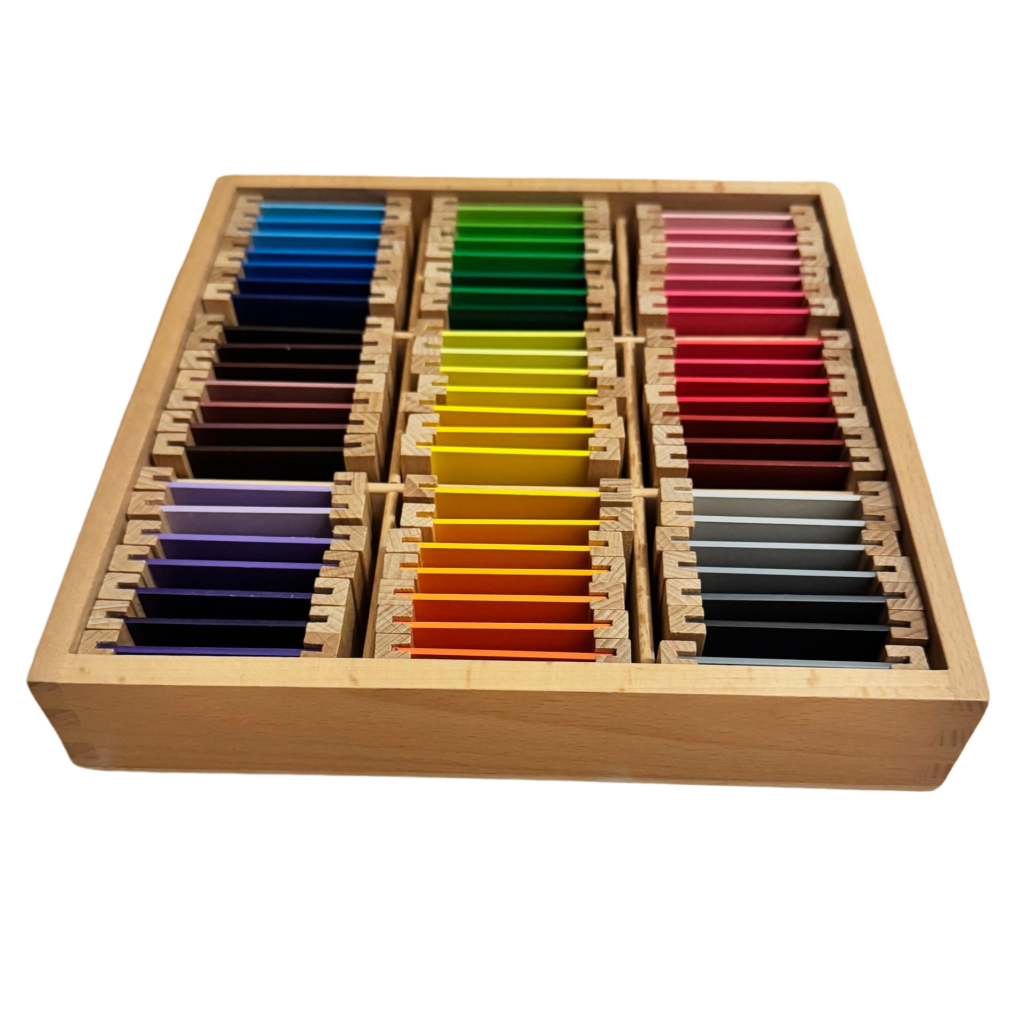
If you’re wondering, yes, there are actually three in the classic sequence:
– Colour Box 1 has just the three primary colours,
– Colour Box 2 includes eleven pairs of basic colours for matching,
– Colour Box 3 – the one we have – contains 63 colour tablets in graded shades of nine colours.
Roman enjoyed using it to match shades not only within the set but also to real objects around the room. It’s a beautiful material for introducing colour grading and developing visual discrimination.
👉 Get Montessori Colour Box 3 on Amazon 🇬🇧
👉 Get Montessori Colour Box 3 on Amazon 🇺🇸
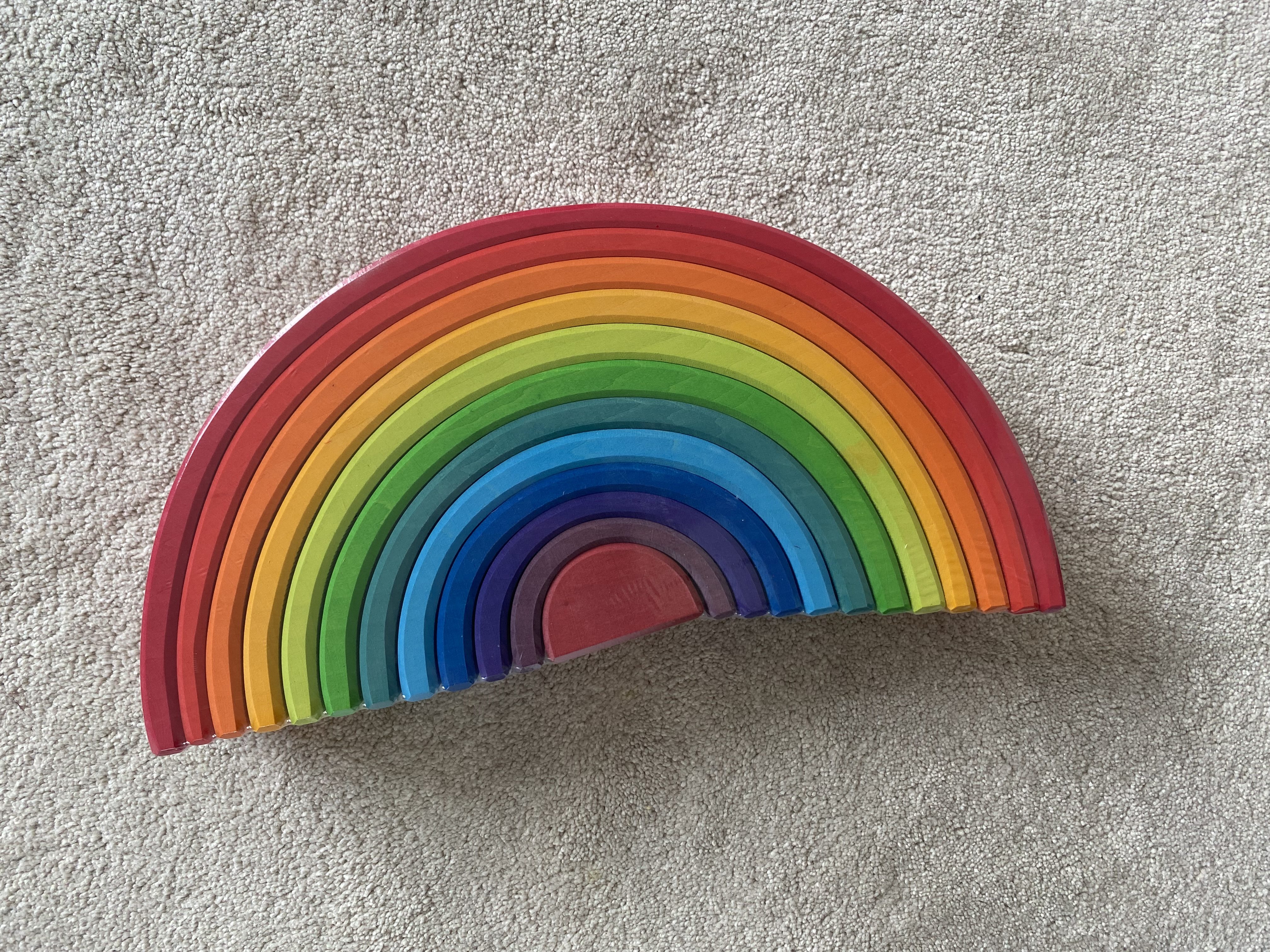
It’s not something Roman stacks traditionally but he enjoys using the arches creatively and the colours have led to a conversation about rainbows, light and how they form.
Most days, it sits on display. The colours are rich and soothing and it’s a beautiful addition to any play space even when it’s not being actively “played with.”
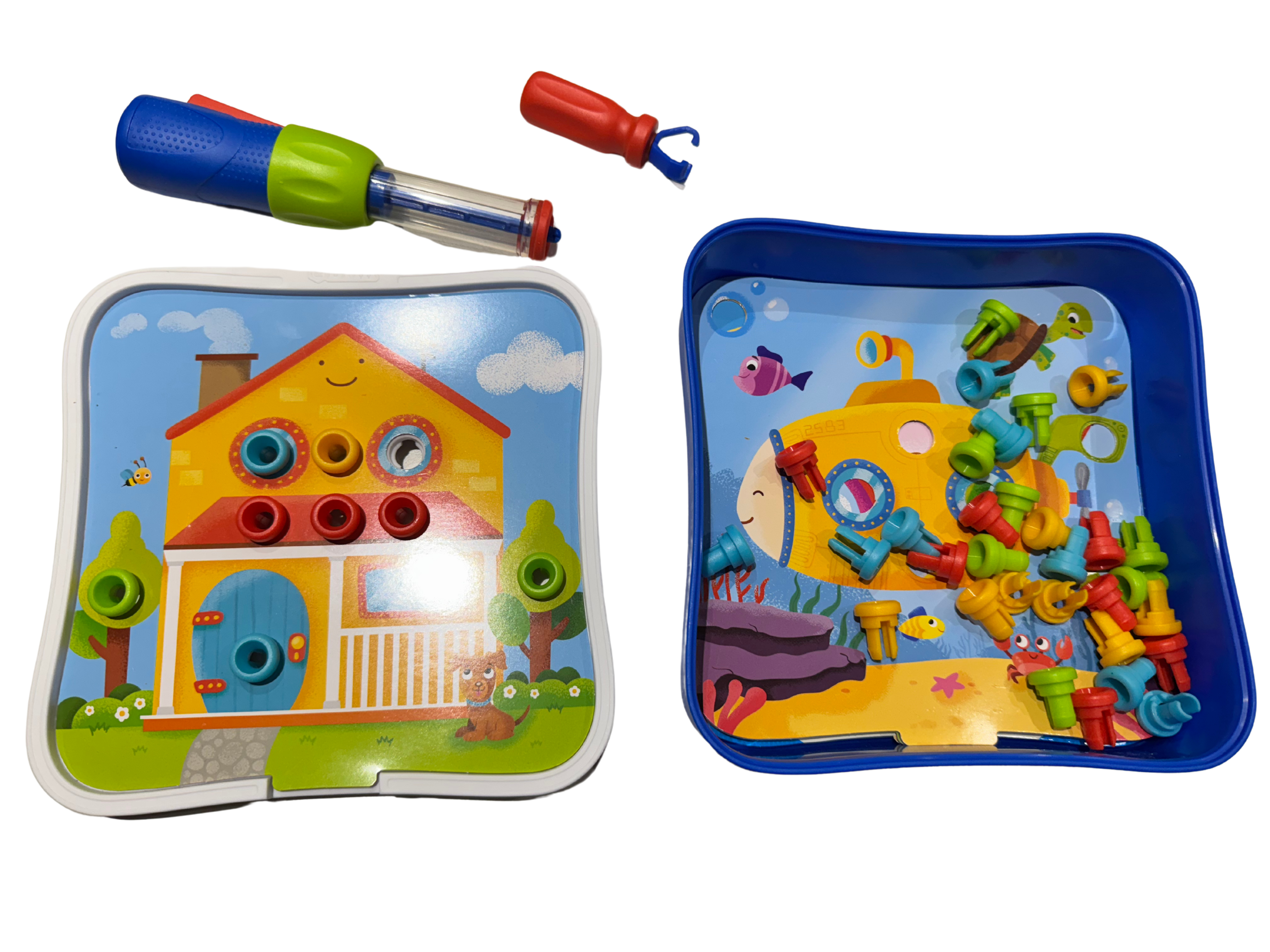
It’s fantastic for colour matching and fine motor development. A perfect toy for building focus, hand strength and early design thinking.
👉 Get Design & Drill Rivet Pop on Amazon 🇬🇧
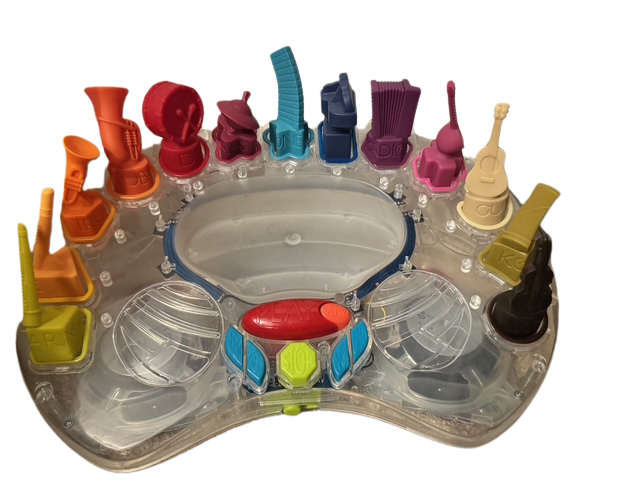
B. Symphony Musical Toy Orchestra is not exactly a colour toy but it’s so visually rich, it absolutely belongs here.
Each instrument is brightly coloured and uniquely shaped (at the bottom), designed to match its spot on the base by both colour and form. What makes it really cool is the way the platform in the middle detects which instrument is placed there and plays the corresponding sound.
You can build your own little orchestra by placing and swapping instruments and it automatically adjusts the music to match. Roman enjoyed experimenting with different combinations and the matching aspect made it feel familiar and inviting even early on.
It’s a multi-sensory toy that blends colour, shape, sound and sequencing, all in one beautifully designed platform. Definitely a standout!
👉 Get B. Symphony Musical Toy Orchestra on Amazon 🇬🇧
👉 Get B. Symphony Musical Toy Orchestra on Amazon 🇺🇸
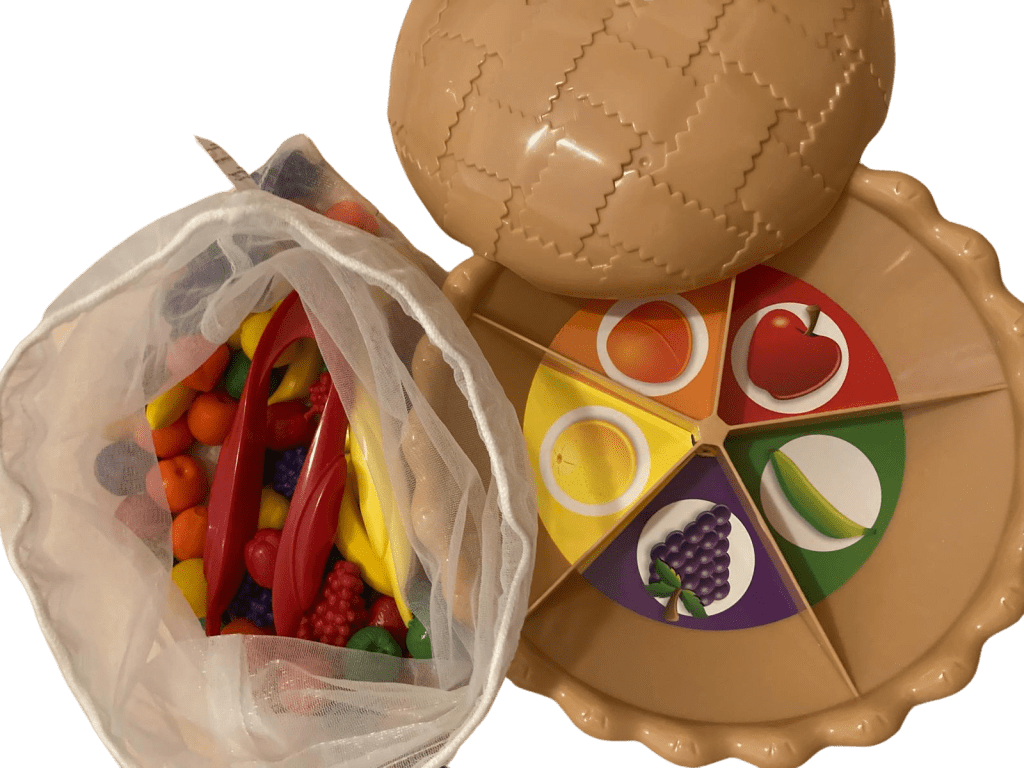
This was one of Roman’s earliest favourites – the Learning Resources Sorting Pie. It comes with different base inserts so you can match by colour, fruit type or even count and sort by shape, which makes it so adaptable over time.
We used it a lot in the beginning just for simple colour matching and tweezing practice, but it naturally grew into conversations like categorising. Such a playful introduction to early maths, sorting skills and fine motor control – all tucked inside a lovely pie!
👉 Get Sorting Pie on Amazon 🇬🇧
👉 Get Sorting Pie on Amazon 🇺🇸
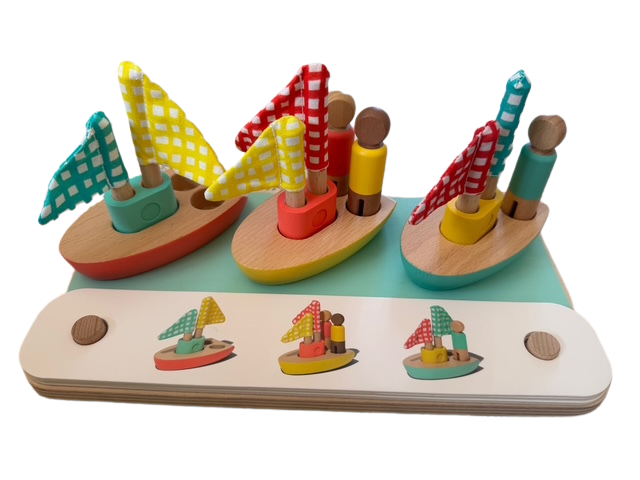
I believe it’s designed to support colour recognition and visual matching (2D to 3D). Roman was 2 years and 8 months old when we introduced it and honestly I think we brought it out a bit too late. He mastered it right away.
That said, he still found it enjoyable, especially because he noticed the direction of the sails and began matching them that way too, not just by colour. It became less of a challenge, but more of a classification task, which still made it engaging in a different way.
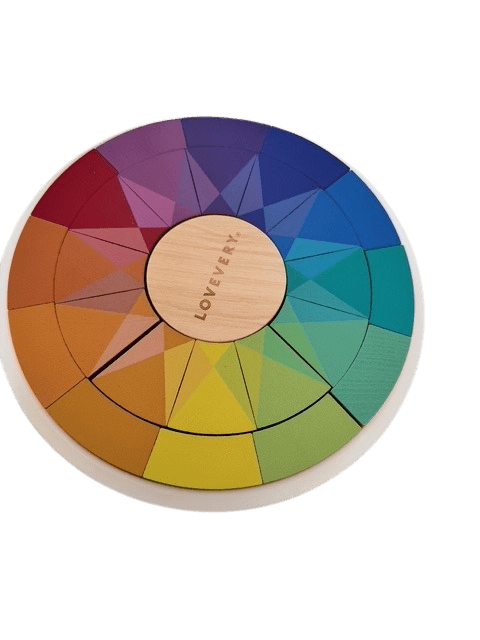
Roman grasped the concept quickly, but what stood out was how he kept returning to it. It’s beautifully made and subtly sophisticated, a lovely next step after basic colour puzzles and one that invites observation and comparison in a tactile way.
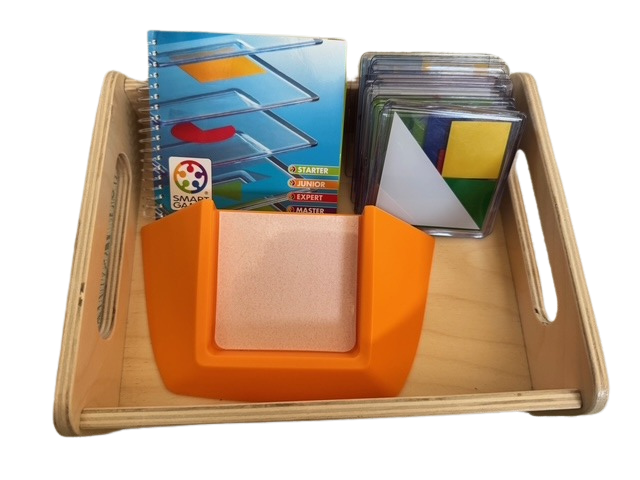
It works on multiple levels: colour recognition, shape matching, layering and spatial reasoning. Roman was immediately drawn to it – the early levels were quite easy for him but we haven’t worked through every card in order. He did, however, jump straight to the final, most challenging puzzle and solved it without hesitation.
We tend to bring it out in short bursts. A lovely bridge between colour play and logic and very satisfying to complete.
👉 Get Colour Code on Amazon 🇬🇧
👉 Get Colour Code on Amazon 🇺🇸
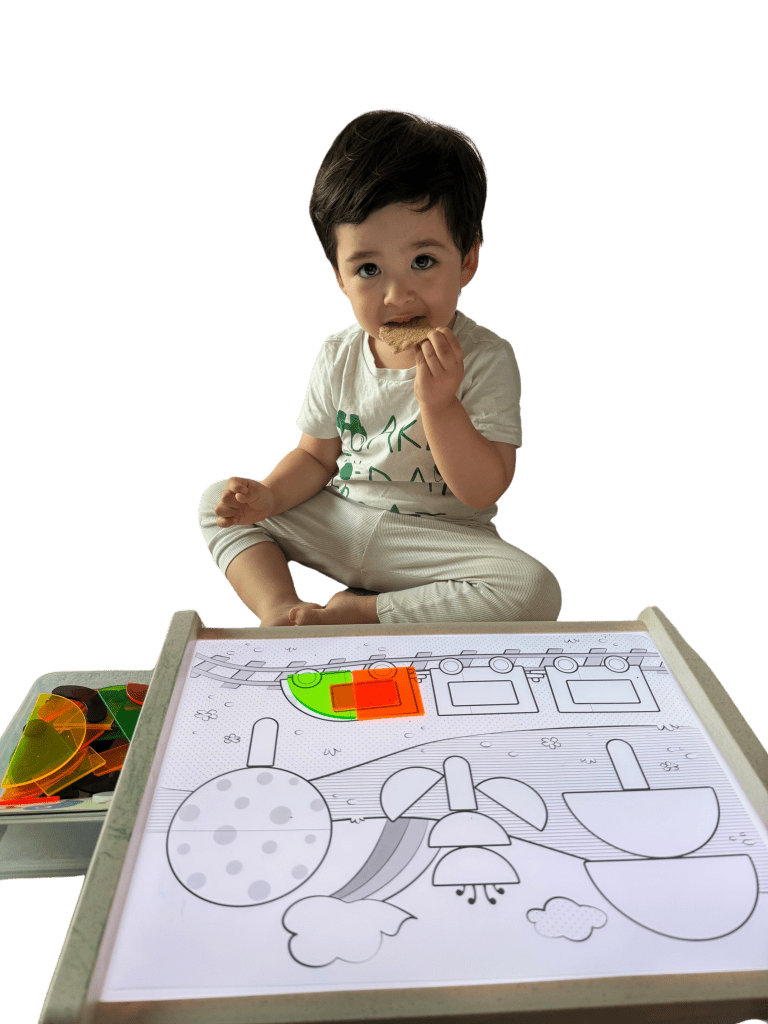
This Battat Light Table comes with a transparent tray-like box (not pictured) that fits neatly on top and we use it regularly for colour play with water.
The light underneath changes colour, which makes everything on the surface glow, from water to transparent tiles.
It also comes with a few extras:
🧪 sensory tools like tweezers and scoops,
🧩 a set of transparent but coloured shape puzzles where you match coloured pieces to outlines sheets.
👉 Get Battat Light Table on Amazon 🇬🇧
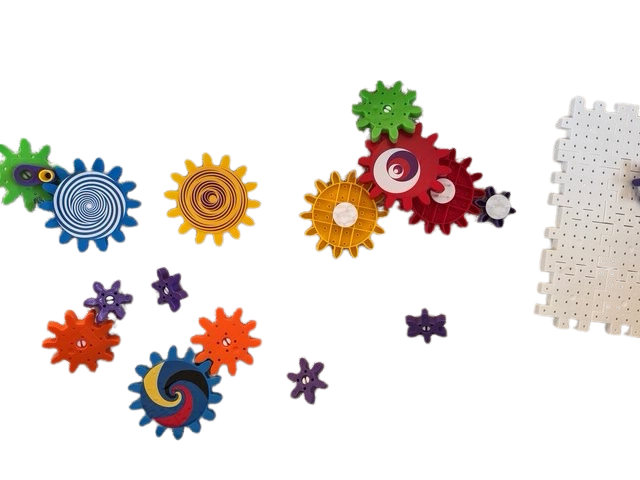
We chose this set because of the optical illusion effect created when the gears spin and Roman actually picked it himself. It can be a little tricky to press the pieces in but that’s part of the appeal – a great way to refine fine motor skills and encourage precision.
It’s somewhat similar to Gears! Gears! Gears! by Learning Resources, but with a more compact layout and strong visual impact.
👉 Get Kaleido Gears on Amazon 🇬🇧
👉 Get Kaleido Gears on Amazon 🇺🇸
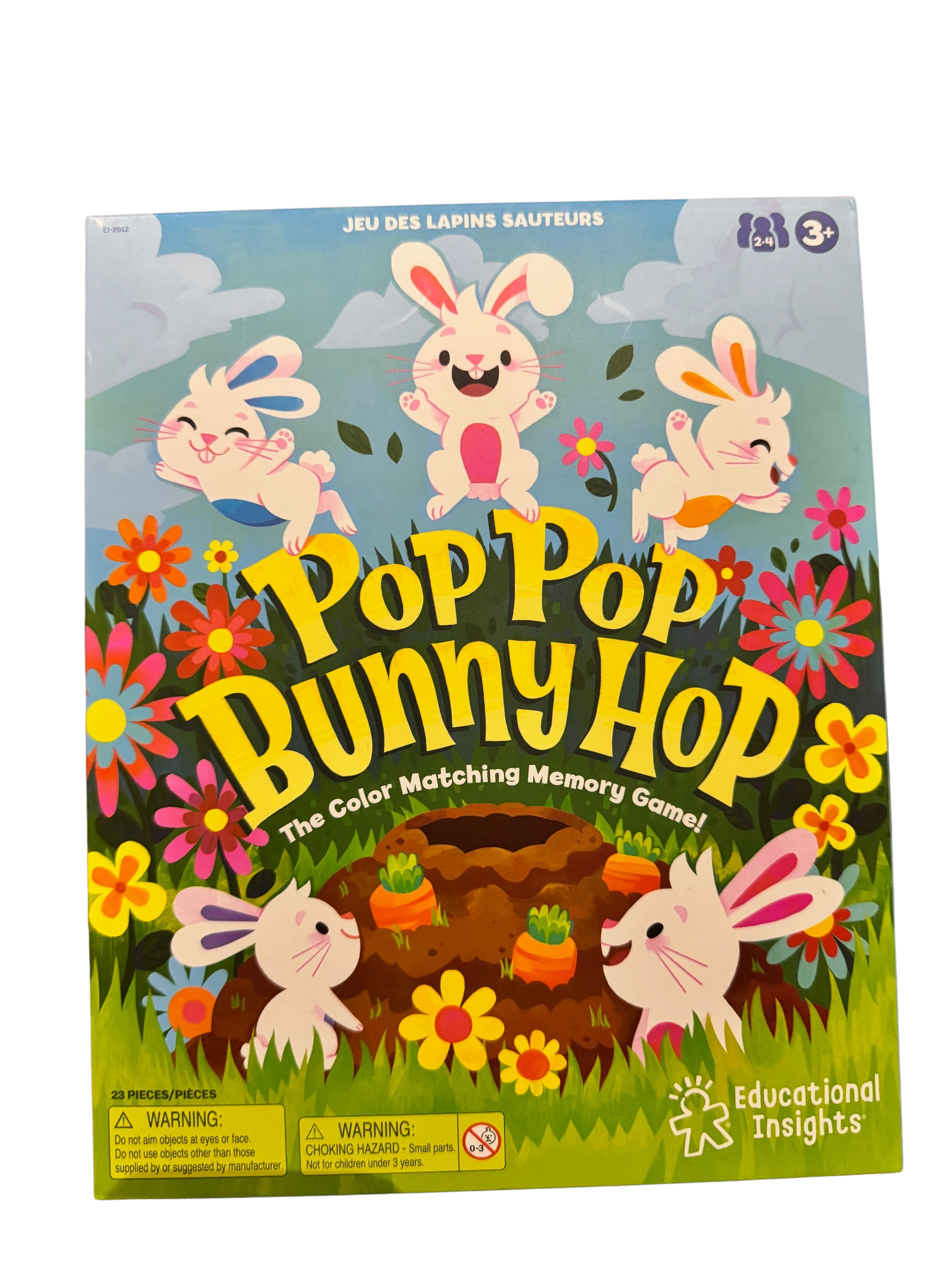
Roman really enjoyed this one, especially the popping action. (And have I mentioned Roman loves bunnies?) It was engaging without being overstimulating and a great way to practise colour recognition, visual memory and turn-taking.
👉 Get Pop Pop Bunny Hop on Amazon 🇬🇧
👉 Get Pop Pop Bunny Hop on Amazon 🇺🇸
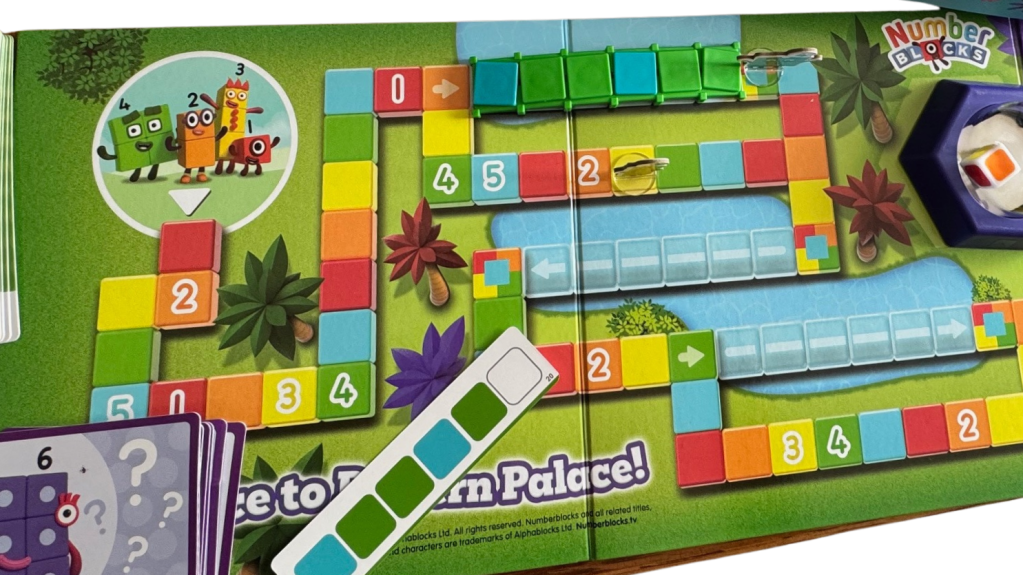
Race to Pattern Palace is a colourful board game that blends colour matching, pattern recognition and sequencing, all through the familiar charm of Numberblocks.
Players build bridges using coloured tiles to complete patterns like AB, AAB, and ABC (there are also blank make-your-own cards) helping them visualise and extend simple sequences. Along the way, children can also pick up early counting skills – up to 5 steps at a time. Although Roman had already mastered skills introduced through the game, he still enjoys playing it very much. I can imagine it would be a big hit for children who loves the characters in Numberblocks.
This game is a lovely way to stretch colour play into pre-maths thinking and pattern building, in a format that’s fun, hands-on and easy to revisit.
👉 Get Race to Pattern Palace on Amazon 🇬🇧
👉 Get Race to Pattern Palace on Amazon 🇺🇸
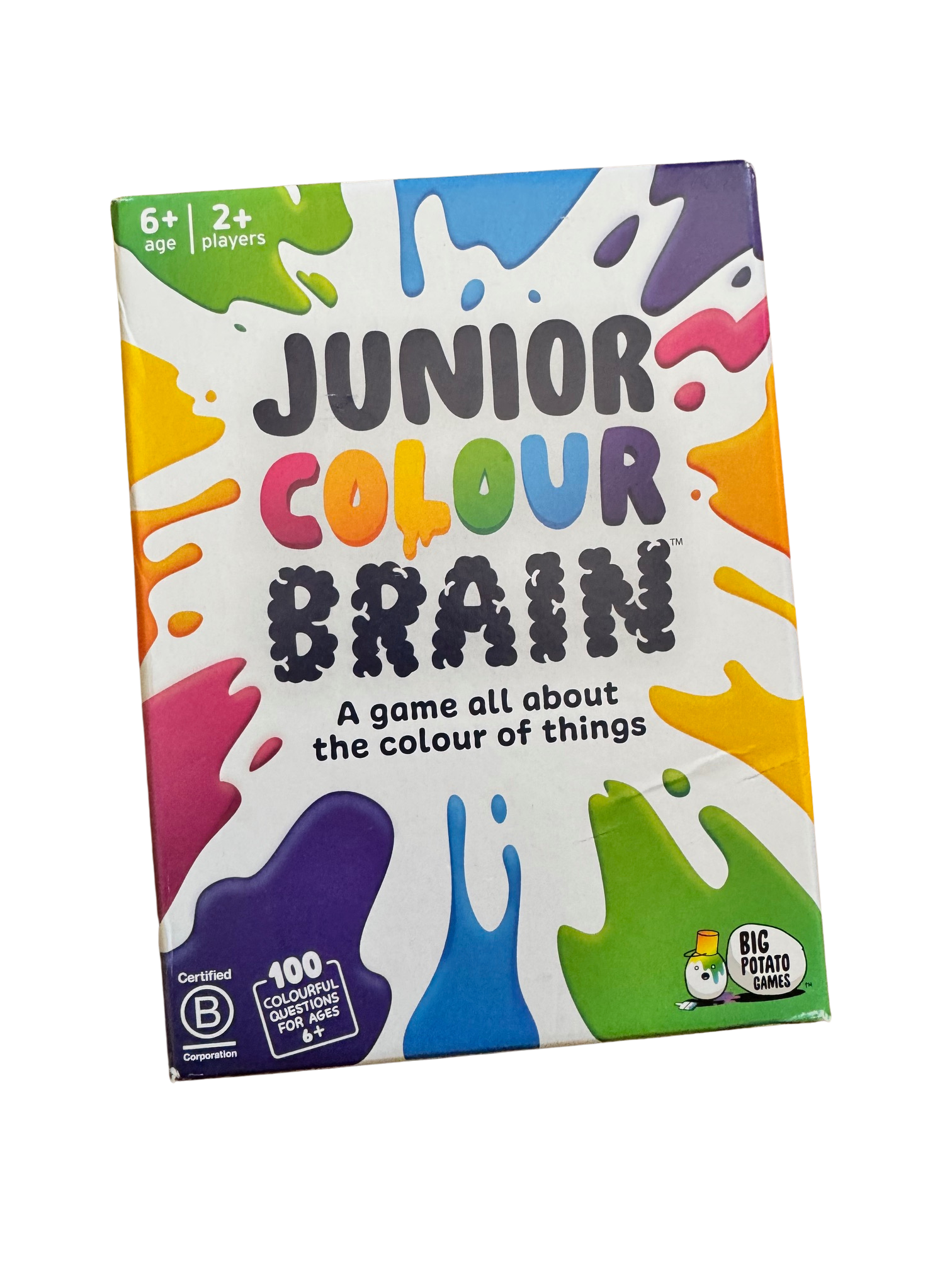
It’s definitely more enjoyable if your child already knows some of the Disney references, as many of the questions are character-based. We haven’t introduced Disney movies yet, but thanks to plenty of books and merchandise, Roman still recognised quite a lot.
For the rest, we just improvised or skipped and honestly, that worked fine. Not a must-have, but a good one to bring out in groups or for slightly older kids who are confident with basic colours and enjoy a bit of playful thinking.
From toys to tiny moments – here’s how colours came alive in our play.
✨ Click over to Page 3 to explore more.


 The Children Chapter
Leave a comment